
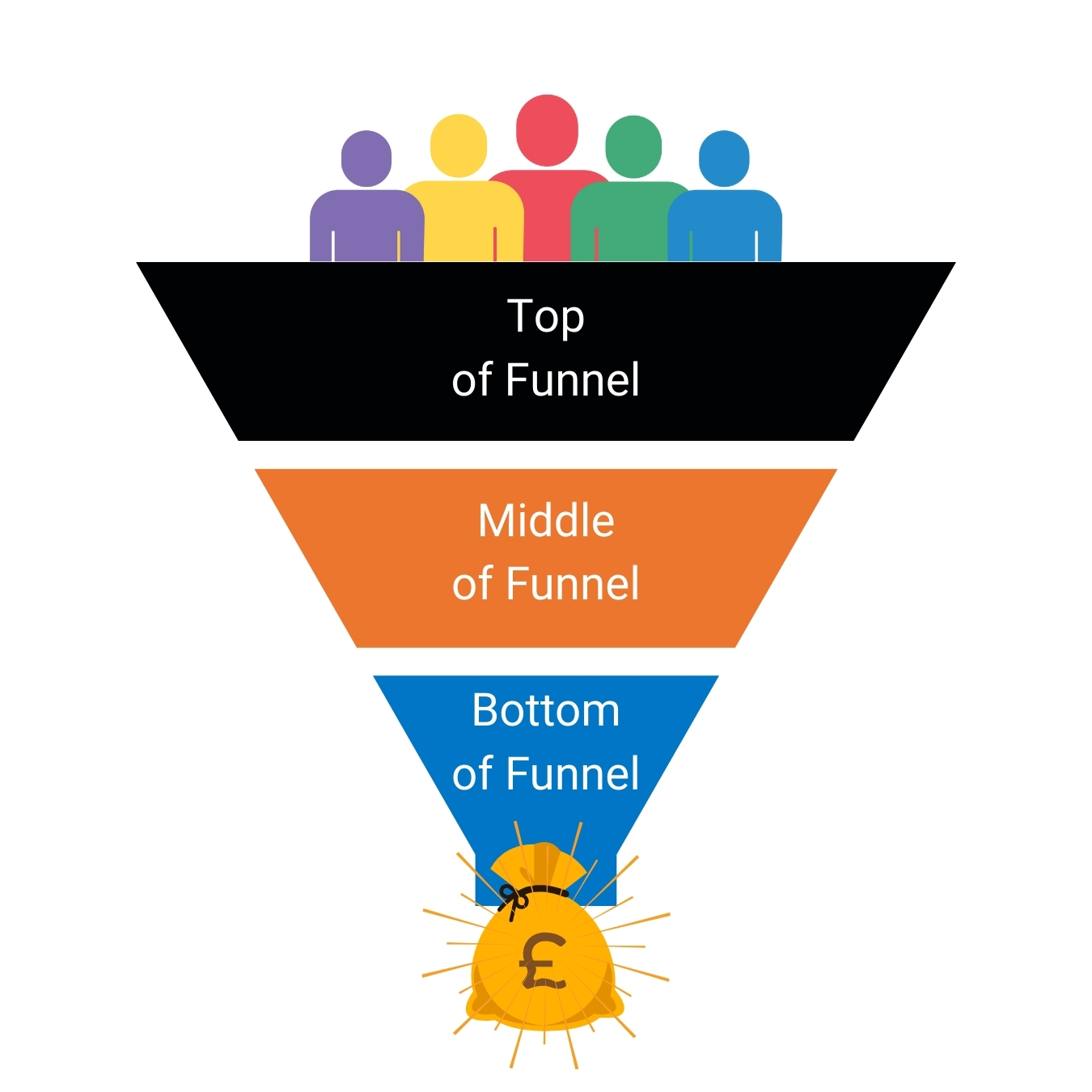
The conversion funnel is a powerful framework for turning strangers into loyal customers. Known as TOFU (Top of Funnel), MOFU (Middle of Funnel), and BOFU (Bottom of Funnel), this strategy helps businesses guide prospects through the buyer’s journey with targeted content and tactics. In this guide, we answer the common questions about TOFU, MOFU and BOFU.
What Is TOFU, MOFU and BOFU?
TOFU, MOFU and BOFU represent the three stages of a conversion funnel, a model that maps the customer journey from awareness to purchase. Each stage targets a different phase of the buyer’s decision-making process:
- TOFU (Top of Funnel): The awareness stage, where you attract a broad audience and introduce them to your brand.
- MOFU (Middle of Funnel): The consideration stage, where you nurture leads by providing detailed information to build trust and interest.
- BOFU (Bottom of Funnel): The decision stage, where you convert leads into customers with compelling offers and clear calls to action.
This funnel structure helps businesses deliver the right message at the right time, increasing conversions while maintaining a positive customer experience.
Why Is the Conversion Funnel Important?
The conversion funnel provides a clear roadmap for engaging prospects. By understanding where a potential customer is in their journey, you can tailor content to their needs, reducing wasted effort and improving efficiency. For example, the Demand Gen Report shows that 47% of B2B buyers consume three to five pieces of content before talking to a salesperson, highlighting the need for targeted content at each stage. A well-structured funnel boosts lead quality, lowers customer acquisition costs and drives higher conversion rates.
How Does TOFU Work in the Conversion Funnel?
At the TOFU stage, the goal is to generate awareness and attract a wide audience. Prospects at this stage may not know your brand or even recognise their need for your product. Effective TOFU strategies focus on providing value without pushing for a sale. Common tactics include:
- Blog Posts: Informative articles optimised for SEO to attract organic traffic.
- Social Media Content: Engaging posts to spark interest and drive shares.
- Infographics: Visuals that simplify complex ideas.
- Videos: Short, engaging content to build emotional connections.
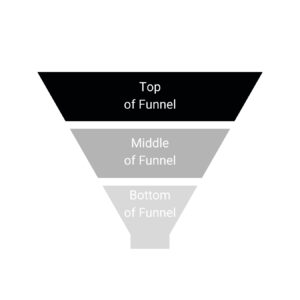
For example, a company like Atlassian uses LinkedIn posts to share industry insights without overt selling, establishing credibility early on.
What Content Works Best for MOFU?
In the MOFU stage, leads are aware of their problem and actively seeking solutions. Your goal is to position your brand as the best choice through educational and engaging content. Effective MOFU content includes:
- Ebooks and White Papers: In-depth resources that provide actionable insights.
- Webinars: Interactive sessions to showcase expertise and engage leads directly.
- Product Comparison Guides: Content that highlights your unique selling points compared to competitors.
- Drip Email Campaigns: Personalised emails to nurture leads.
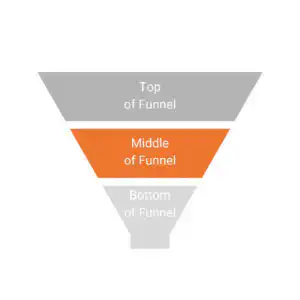
The key is to balance education with subtle persuasion, addressing pain points while showcasing your solution’s value.
How Do You Convert Leads at the BOFU Stage?
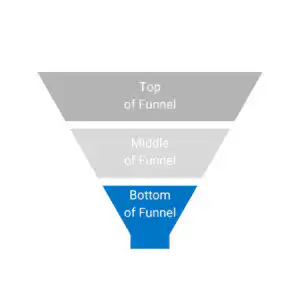
The BOFU stage focuses on closing the sale. Leads here have researched your brand and competitors, so your content must build confidence and create urgency. Effective BOFU tactics include:
- Case Studies: Real-world examples of customer success, as seen in Funnel’s approach to showcasing client outcomes.
- Demo Videos: Live or recorded demos to showcase product benefits.
- Limited-Time Offers: Discounts or exclusive deals to prompt action.
- Customer Testimonials: Stories that build trust.
What Are the Best Metrics to Track for Each Stage?
Tracking metrics ensures your funnel performs effectively. Here are key metrics for each stage:
- TOFU Metrics:
- Unique Visitors: Measures overall reach.
- Social Media Engagement: Tracks likes, shares and comments.
- Click-Through Rate (CTR) on TOFU Content: gauges audience interest.
- MOFU Metrics:
- Email Campaign Engagement Rates: Tracks opens and clicks to assess relevance.
- Conversion Rates for Demos or Trials: Measures how many leads take action.
- Landing Page Engagement: Tracks clicks and scrolls to evaluate content effectiveness.
- BOFU Metrics:
- Purchase Conversions: Counts completed sales.
- Customer Acquisition Cost (CAC): Assesses campaign efficiency.
- Return on Ad Spend (ROAS): Measures ad profitability.
These metrics help identify strengths and weaknesses, allowing you to refine your strategy.
How Can You Optimise TOFU, MOFU and BOFU Strategies?
Optimisation involves testing and refining tactics based on data.
- For TOFU, use SEO tools like Semrush or AHREFs to identify high-performing keywords and improve organic reach.
- For MOFU, A/B test email subject lines to boost open rates, as targeted emails can increase engagement.
- For BOFU, streamline checkout processes to reduce friction. Regularly analyse competitor funnels to adopt successful tactics like urgency-driven promotions.
What Role Does Buyer Persona Mapping Play?
Mapping buyer personas to each funnel stage ensures content resonates with your audience. Create detailed personas based on demographics, pain points and goals, then align content to their needs.
How Does Marketing Automation Support TOFU, MOFU and BOFU?
Tools like Funnel (Funnel.io) automate content delivery, such as drip emails for MOFU or targeted offers for BOFU, saving time while maintaining consistency. Automation also tracks metrics like email open rates or conversion rates, providing insights to optimise campaigns. For instance, automated workflows can send personalised follow-ups to MOFU leads who engage with a webinar, nudging them toward BOFU.
What Are Common Mistakes to Avoid in the Conversion Funnel?
Common pitfalls include:
- Pushing Sales Too Early: TOFU content should educate, not sell, to avoid alienating prospects.
- Generic MOFU Content: Leads need specific, relevant information, not broad material.
- Neglecting BOFU Follow-Up: Failing to provide clear calls to action or post-purchase support can reduce conversions and loyalty.
- Ignoring Metrics: Without tracking, you can’t identify weak points.
By addressing these, you can maintain a smooth, effective funnel.
How Can Competitor Analysis Improve Your Funnel?
Analysing competitors reveals strategies that work. Use tools like Semrush’s Traffic & Market Toolkit to study competitors’ traffic channels, top pages and audience demographics. This data helps you adopt high-performing tactics to enhance your own funnel.
Can TOFU, MOFU and BOFU Apply to Both B2B and B2C?
Yes, the TOFU, MOFU, BOFU framework works for both B2B and B2C, though content and tactics vary. B2B funnels often require longer nurturing periods with in-depth content like white papers. B2C funnels may prioritise emotional engagement through videos or social media. Tailor content to your audience’s needs and buying cycle length.
Key Takeaways
- TOFU focuses on awareness with broad, educational content like blogs and videos.
- MOFU nurtures leads with targeted content like ebooks and webinars to build trust.
- BOFU drives conversions with demos, case studies and limited-time offers.
- Track metrics like unique visitors (TOFU), email engagement (MOFU) and purchase conversions (BOFU) to measure success.
- Use competitor analysis and marketing automation to optimise your funnel.
- Map buyer personas to deliver relevant content at each stage.
FAQs
How do I create TOFU content?
Focus on SEO-optimised blogs, engaging social media posts, infographics and videos that address audience pain points without selling.
What are the best MOFU content types?
Ebooks, white papers, webinars and product comparison guides work well to educate and nurture leads.
How do I improve BOFU conversions?
Use case studies, demo videos, limited-time offers and clear calls to action to build confidence and urgency.
Why is buyer persona mapping important?
It ensures content aligns with your audience’s needs, increasing engagement and conversions.
How can I track funnel performance?
Monitor unique visitors, social engagement, email open rates, and purchase conversions using tools like FunnelKit.
Can small businesses use TOFU, MOFU and BOFU?
Yes, the framework scales to any business size, with small businesses using cost-effective tactics like blogs and social media.
How does competitor analysis help?
It reveals successful strategies, like high-converting pages or traffic channels, to adopt in your funnel.
Is TOFU, MOFU, BOFU only for digital marketing?
No, it applies to any sales process, though digital marketing enhances its reach through targeted content and automation.